
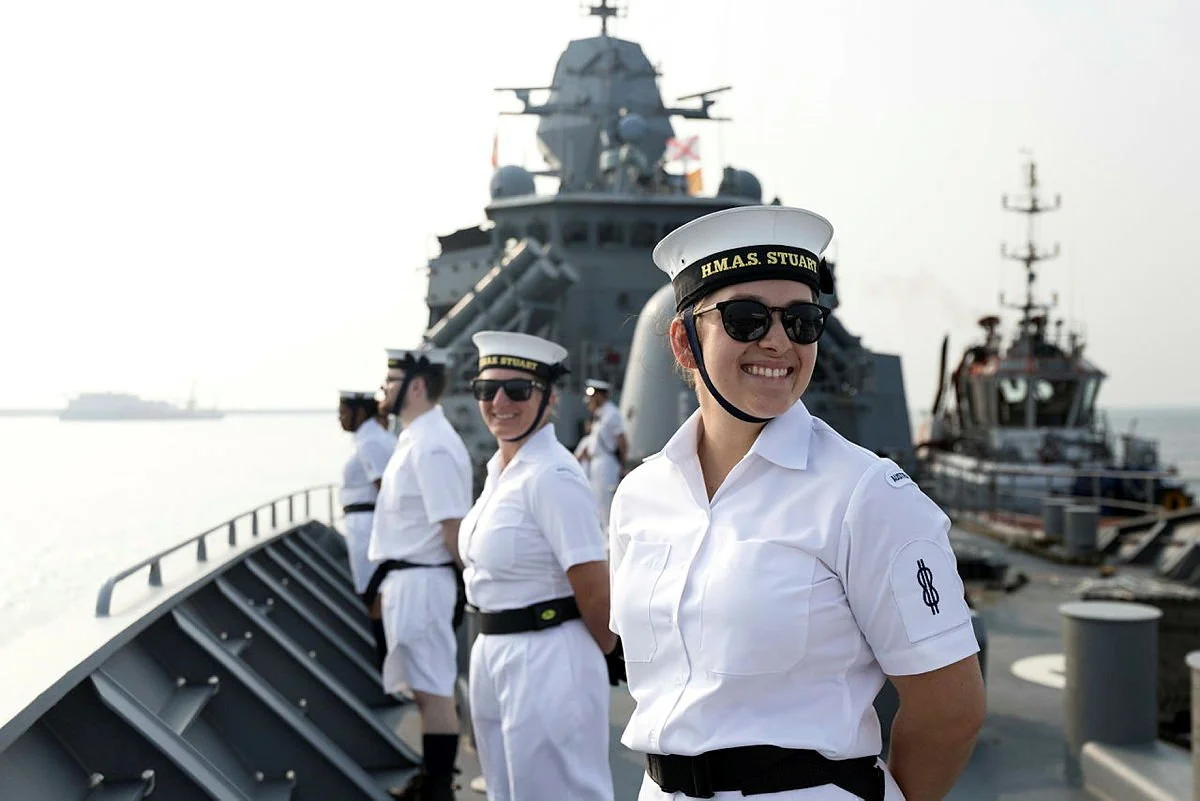
Able Seaman Maritime Personnel Sailor Sophie Baharom aboard HMAS Stuart in Malaysia as part Regional Presence Deployment 2026 (Defence Image Library).
RSL Australia has welcomed the release of Australia’s first Women Veterans’ Strategy, joining three other national veterans’ organisations in calling for dedicated resources, clear accountability and independent oversight to ensure it delivers meaningful change.
RSL Australia, Women Veterans Australia (WVA), the Defence Force Welfare Association (DFWA) and Legacy Australia have described the long-awaited Strategy as an important first step towards better recognising and supporting women veterans.
The Strategy forms part of the Australian Government’s response to the Royal Commission into Defence and Veteran Suicide.
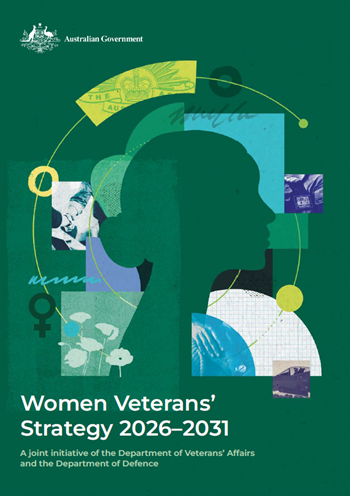
Click to read the Women Veterans’ Strategy
Turning commitments into action
The four organisations are calling for a funded implementation plan within six months, annual public reporting and independent oversight. They are also seeking action on critical issues affecting women veterans, including sexual violence, medical discharge and homelessness.
RSL Australia National President Peter Tinley AM said the Strategy represented important progress, but its success would depend on implementation.
“Women veterans pushed hard for this, and the people who built it deserve real credit. It's a solid start. Now we need to make sure it doesn't end up as a glossy pamphlet on a shelf,” Mr Tinley said.
Speaking to the ABC, Women Veterans Australia Chair Llani Kennealy reinforced that the Strategy was an important milestone, but the real measure of success would be what happens next.
Ms Kennealy emphasised the need for dedicated resources, clear accountability, oversight and measurable outcomes to deliver tangible improvements for women veterans.
Mr Tinley also acknowledged that RSL Australia has more work to do to attract and retain women veterans.
“Women are nine per cent of our members, against about 13 per cent of veterans. We're working with WVA to fix that, and their expertise is shaping how we change,” he said.
The four organisations have acknowledged the women veterans whose experiences and persistent advocacy helped bring the Strategy to fruition.
Read the full joint media release here.
Listen to the ABC interview with Women Veterans Australia Chair Llani Kennealy here.