
Middle East Area of Operations (MEAO)
Scoping Study
The Middle East Area of Operations (MEAO) Scoping Study facilitated research on the impacts on veterans and their families as a result of Australian Defence Force (ADF) service since 2002.
About the project
Veterans and their families
Middle East Area of Operations (MEAO) veterans primarily served in Afghanistan and Iraq over two decades from 2001 to 2021, with some also serving in support roles across the broader Middle East region. Many rotated through the same conflict zones multiple times.
Rather than fighting a conventional enemy, MEAO personnel operated in counterinsurgency and stabilisation roles that blurred the boundaries between combat, peacekeeping and civil engagement. Improvised explosive devices (IEDs) were a constant threat, with high rates of psychological harm and of blast related traumatic brain injuries. Other consistent harms included moral injury arising from repeated exposure to ethically ambiguous situations and psychological stress that was compounded by multiple deployments.
Many MEAO veterans left service during or after a prolonged period of high operational tempo, often returning to civilian life without continuity of care, and to communities where there was limited understanding of their experiences.
The Study
The MEAO Veteran and Families Project Scoping Study (the Study) comprised three components.
A literature review and analysis of nearly 2,500 international and national research studies that identified the many health, disability and social issues experienced by veterans and families of veterans associated with their engagement in MEAO, and the relationships between coexisting health conditions (comorbidities) and with other determinants.
Workshops with MEAO veterans and families to qualitatively explore their lived experiences in the Australian Defence Forces (ADF) and their civilian lives beyond.
ADF health research datasets which linked survey data with administrative health records to better understand long term effects of service on veterans’ health and wellbeing.
The project was commissioned by RSL Australia and delivered by Gallipoli Medical Research in collaboration with Griffith University and the Queensland Centre for Mental Health Research.
The study background and methodologies can be read in detail here.

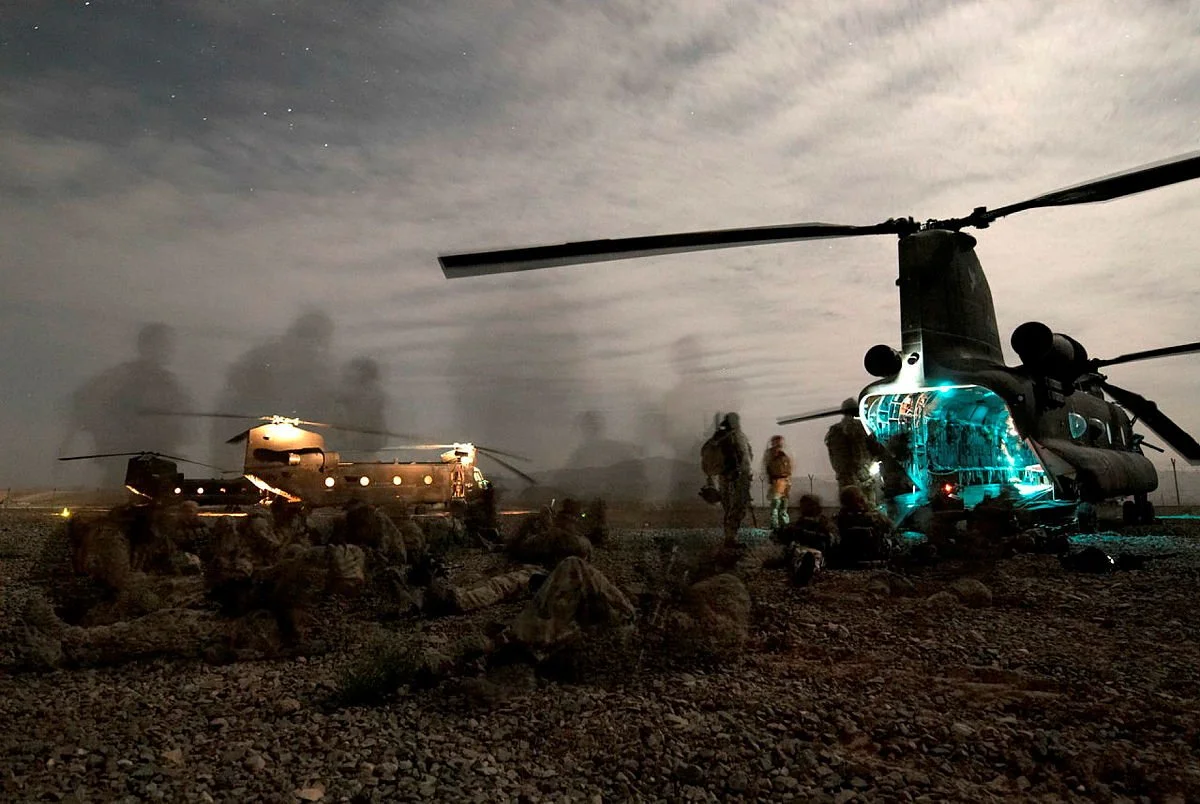
The Study identified prevalent health conditions and disabilities experienced by MEAO veterans that persisted for years after deployment.
June 2008: Australian Army soldiers prepare to board CH-47 Chinook helicopters during a night-time operation in Uruzgan province (Defence Image Gallery)
Health and social outcomes
Contribution of the study to understanding
The true value of the Study is that, due to its range and breadth, it could confidently identify common themes across health, social and related issues commonly experienced by veterans of MEAO. Analysis of the findings point to opportunities for further research and policy and program responses.
Many of the research studies included in the analysis had limitations due, for example, to unreliable and/or unrepresentative sample selection and sizes and subjective methodologies and research techniques. However, there were common findings across the many studies analysed, complemented by lived experience workshops and large Australian studies that linked administrative health data and survey data. Overall, the Study delivered a body of evidence that offers insights and understanding of the experiences of MEAO veterans and their families, and that can be used to better address their needs.
Study findings
The Study identified prevalent health conditions and disabilities experienced by veterans that persisted for years after deployment, with combinations of complex mental health conditions, ongoing pain from injuries, cognitive impairments, anger and behavioural disorders and moral injuries. Consequent and exacerbating effects experienced by many veterans include social isolation, financial instability and stress, housing stress and homelessness and alcohol and substance overuse.
Family members and carers, too, share in those experiences, reporting isolation and emotional exhaustion, loss of identity, lack of support and recognition, and exclusion from treatment planning. They reported lack of access to psychological supports and other health services to meet their own needs, arising from their carer roles. Relationship breakdown was common, exacerbating the effects of social determinants like financial and housing insecurity and social isolation for veterans and their partners.
“The Royal Commission into Defence and Veteran Suicide made clear that the status quo is not acceptable. The MEAO Scoping Study is our answer: a rigorous, evidence-based foundation for change that places veterans and their families at the centre of care, where they belong.”
Hon Peter Tinley AM, RSL National President
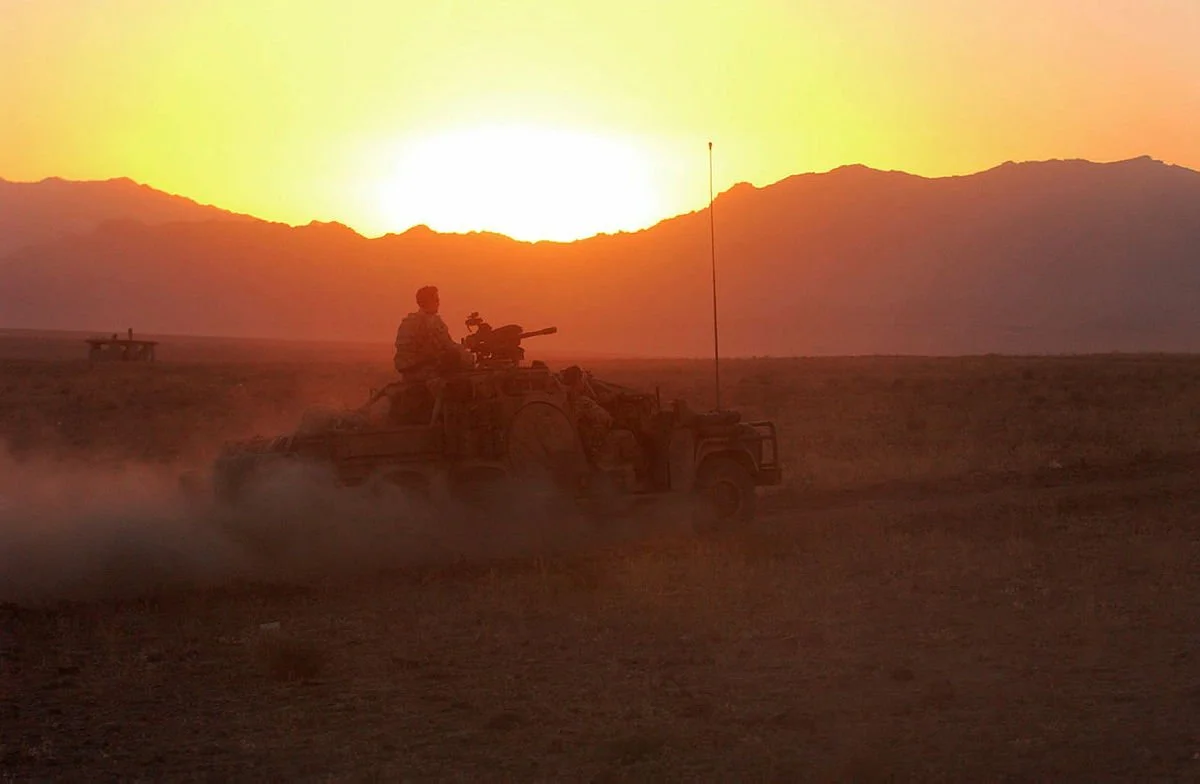
Relationship breakdown was common, exacerbating the effects of social determinants like financial and housing insecurity and social isolation for veterans and their partners.
September 2005: Australian Army soldiers from Special Operations Task Group conducts a patrol at dusk in Afghanistan (Defence Image Gallery)
Supporting veterans and their families
The Study’s analysis of the available research to identify the complex and enduring challenges experienced by the MEAO veteran cohort and their families and carers offer valuable insights that could support policy development and program delivery. Five clear themes emerged, with a sixth theme that pointed to holistic treatment and support as critical for improving outcomes.
Mental health, suicide prevention and moral injury
Moral injury, suicide ideation and mental health conditions, particularly post traumatic stress disorder (PTSD), depression, anxiety, substance overuse were prevalent and often cooccurred with each other and with other conditions. Stigma around mental health, fear of career repercussions and ADF cultural norms often delayed help seeking, and contributed to poor health outcomes.
Cognitive and other disability
Most common were traumatic brain injuries (TBI) and, more usually, mild TBI (mTBI) and suspected mTBI. There is a strong association between the wide use of IEDs in MEAO conflicts, which were often laid in the path of vehicles due to blast wave pressure, flying debris and/or the physical force of the explosions. Many service personnel experienced multiple head injuries over the course of their deployment(s).
Variations in assessment tools (rather than using a single standardised tool) and mismatches between reported symptoms and assessments presented barriers to diagnosis were commonly identified in the research.
Symptoms identified included cognitive impairment and lasting changes to physical functioning and emotional regulation, and were often associated with PTSD, other mental health conditions and suicide ideation.
Physical health
Chronic pain, musculoskeletal injuries, often combined with other conditions and affecting mental health, were often associated with premature return to duty, insufficient recovery time and under documented injuries. The research identified a strong association between chronic pain and poor mental health.
Social determinants
Veterans often reported employment instability, housing and financial stress, relationship breakdown, social isolation and difficulties navigating civilian systems, with a cyclical effect of poor health contributing to social and economic outcomes and those stresses contributing to poorer physical and mental health outcomes.
Family and carer recognition, inclusion and support
Families reported emotional exhaustion and isolation, lack of recognition as carers – including as partners in treatment plans – and lack of help to support veterans or to meet their own increased needs as family members and carers.
Comorbidities and associations
None of the five themes outlined above can be taken in isolation. Analysis of the extensive body of research, together with supporting evidence gathered in the Study, clearly demonstrates the relationships and associations between and across health, disability and social outcomes of veterans and their families.
These themes, taken together, offer insights that can frame a foundation for a system of research, services and supports for complex and multifaceted needs that centre care around MEAO veterans and their families.
read the study backgrounD
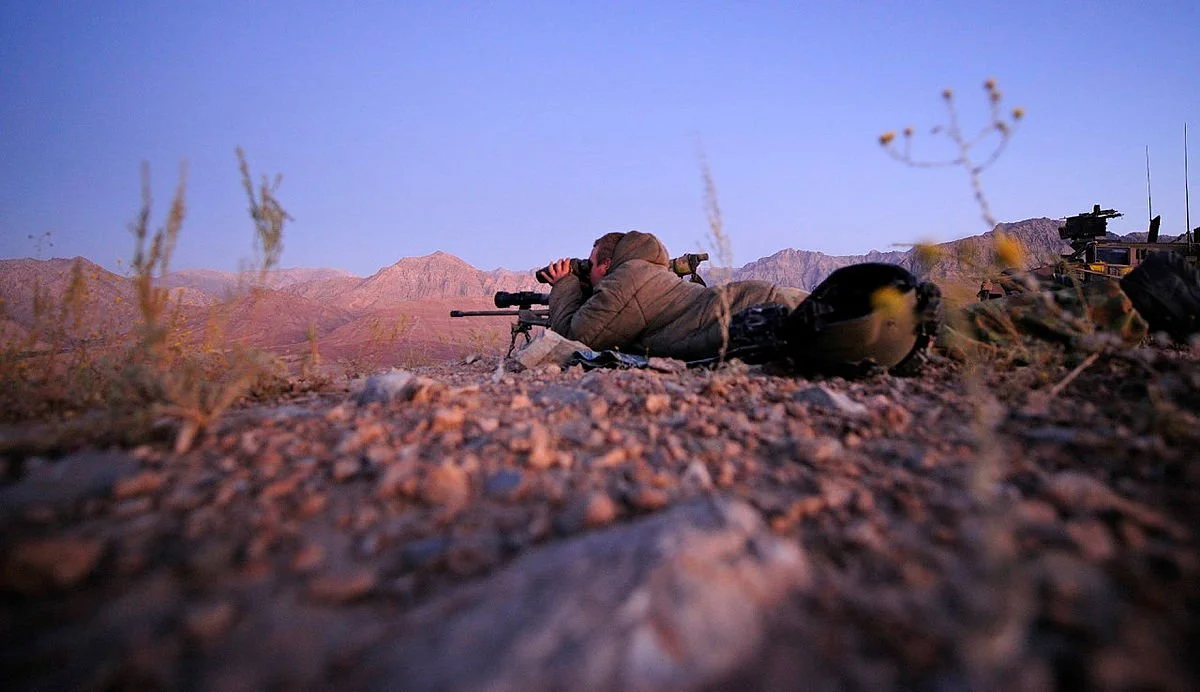
Moral injury, suicide ideation and mental health conditions, particularly post traumatic stress disorder (PTSD), depression, anxiety, substance overuse were prevalent.
October, 2009: An Australian Army soldier from Special Operations Task Group provides security over-watch during a counter-insurgency operation in Uruzgan province, Afghanistan (Defence Image Gallery)
Next steps
Research gaps: diversity
Some qualifications to generalising the key findings remain; crucially, the reliance on overseas research that do not reflect Australian veteran characteristics, experiences or supports, and the lack of diversity of research participants and studies that leaves a gap in understanding the experiences of women veterans, First Nations veterans, LGBTIQA+ veterans and veterans from multicultural communities.
Limitations in the diversity of study participants, due to lower service participation, extended to the lived experience workshops (Phase 2 of the Study), despite the researchers’ best efforts. However, without greater diversity in the quantitative research, diversity in the workshop component may not have added greatly to the Study. A more effective approach could be to conduct research projects that specifically focus on understanding the experiences of veteran groups with lower service participation, including women veterans, First Nations veterans, veterans from multicultural communities, and LQBTIQA+ veterans.
Another constraint was that many studies focused on one, or a specific combination of, health conditions experienced by veterans. Few examined combinations of relationships across the diverse health comorbidities experienced by many veterans, the social determinants of health, and the experiences of veterans’ families and carers.
Research gaps: Collecting, sharing and analysing administrative data
Phase 3 of the Study, reviewing published health research in the ADF that linked administrative data from health and ADF records and survey data across several studies between 1999 and 2018, including through longitudinal research. While flaws were identified in the research, findings were generally consistent with, and supported, the Phase 1 research findings. They offered a greater understanding of the Australian context and added important insights, particularly pointing to high and increasing rates of poor mental health, PTSD, suicide ideation, moral injury, neurocognitive effects and adverse relationship effects among MEAO veterans.
The Study also identified opportunities to learn more about longer term health and social outcomes for MEAO veterans and their families by applying new methods developed since the last analysis was conducted in 2018, including by reanalysing data used in previous research and linking administrative data sets.
The Study raised concerns that there is less understanding of veterans’ longer term needs, particularly as they age, and recommended adding an additional survey wave to earlier longitudinal studies. Rather than longitudinal research, similar outcomes may be achieved more efficiently by surveying a new sample of veterans in the cohort. Another advantage to selecting a new sample may be the opportunity to add respondents from diverse and previously underrepresented groups.
Despite the gaps, the body of research offers indications of the services and supports that could better support MEAO veterans and their families. Analysis of the Study’s findings can be applied to developing policies and programs to more immediately improve veterans’ health and wellbeing.
Action research
The Study’s analysis, including to identify needs and gaps, presents an opportunity to codesign and implement initiatives that can improve health and social outcomes for veterans and their families, for example, by offering multidisciplinary and veteran centred services that can, within a single service:
Diagnose their chronic pain, mental health, cognitive injuries and other comorbidities, partnering with veterans and their carers to ethically manage care and treatment
Codesign, trial and evaluate transdiagnostic models of care
Advance evidence based approaches for treating mTBI and comorbidity
Provide social prescriptions to address loneliness and social isolation and improve health and wellbeing
Deliver programs to address related conditions, such as substance overuse, anger management, relationship management and suicide prevention and moral injury
Offer navigation support both to health services not available within the multidisciplinary team and to connect veterans and their families with financial, legal, housing, employment, education, and veteran advocacy and supports
Incorporates continuous research and evaluation, with opportunities to implement improvements as needed.
Similar models have been successfully trialled for other cohorts and the general community, and have been endorsed by government, for example, as aims in Australia’s Primary Health Care 10 Year Plan 2022-2032.
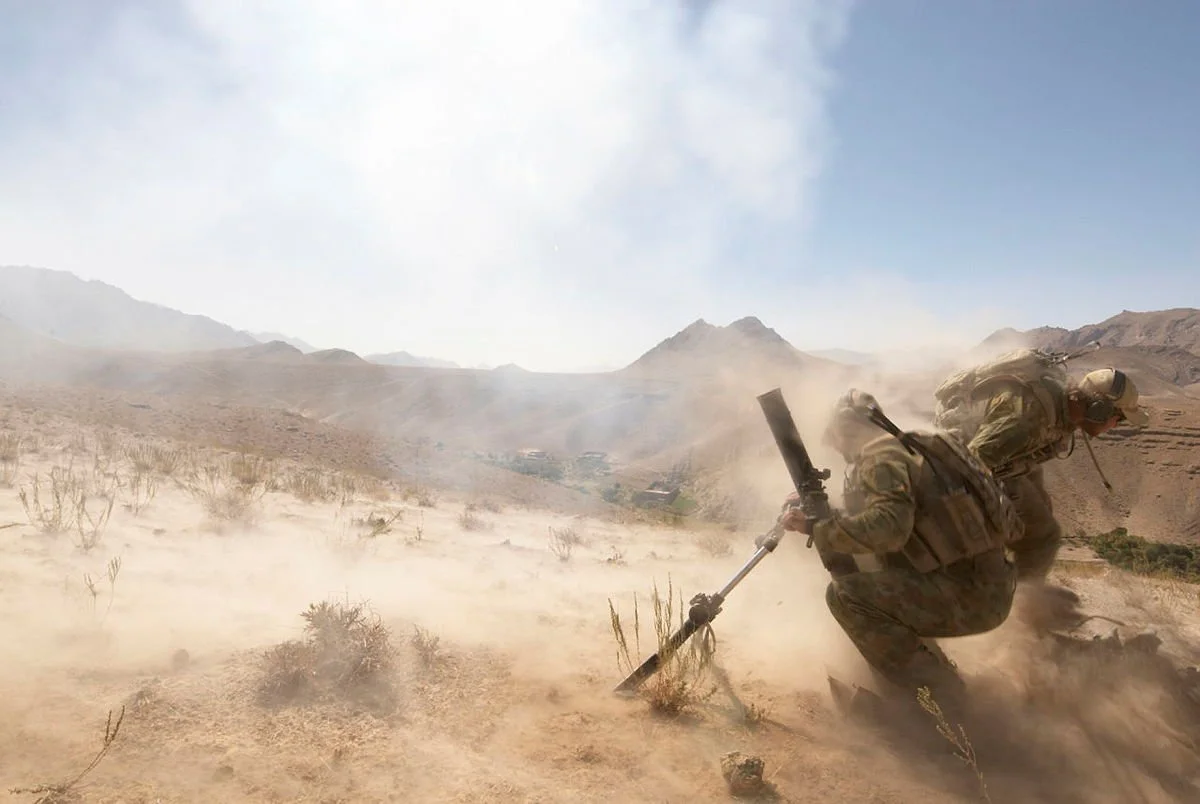
The Study has also identified clear gaps in the research and identified opportunities for further exploration, to offer all Australian MEAO veterans to equitable access to services and supports.
October, 2009: Australian Army soldiers from Special Operations Task Group fire mortars on a Taliban position during a counter-insurgency operation in Uruzgan province, Afghanistan (Defence Image Gallery)
Final comments
The Study has analysed nearly 2,500 studies that, together, provide authoritative information that could be used to codesign and deliver holistic health and social services that place veterans and their families and carers at the centre of care, recognising their autonomy in identifying and accessing the services they need.
The Study has also identified clear gaps in the research and identified opportunities for further exploration, to offer all Australian MEAO veterans to equitable access to services and supports. Most immediately, access to administrative data could expand the limited understanding of how Australian veterans’ experiences vary from their overseas counterparts and of the different experiences and additional needs of diverse groups within the MEAO cohort, including for women, First nations, multicultural and LGBITQA+ veterans and their families.
downloads
Executive summary
Read the researchers’
executive summary from
the MEAO Scoping Study
full report
Download the full report
from the MEAO
Scoping Study
A collaborative approach
Working together for better outcomes for the veteran community
RSL Australia
The MEAO Scoping Study is fully funded and led by RSL Australia.
Gallipoli Medical Research
A multidisciplinary consortium comprising Gallipoli Medical Research (GMR), Queensland Centre for Mental Health Research (QCMHR), and Griffith University is conducting the scoping study.


Department of Veterans’ Affairs
The Department of Veterans’ Affairs supports the Middle East Area of Operations Veterans and Families project.

The Repatriation Commission
The Repatriation Commission supports the Middle East Area of Operations Veterans and Families project.
Department of Defence
The Department of Defence supports the Middle East Area of Operations Veterans and Families project.