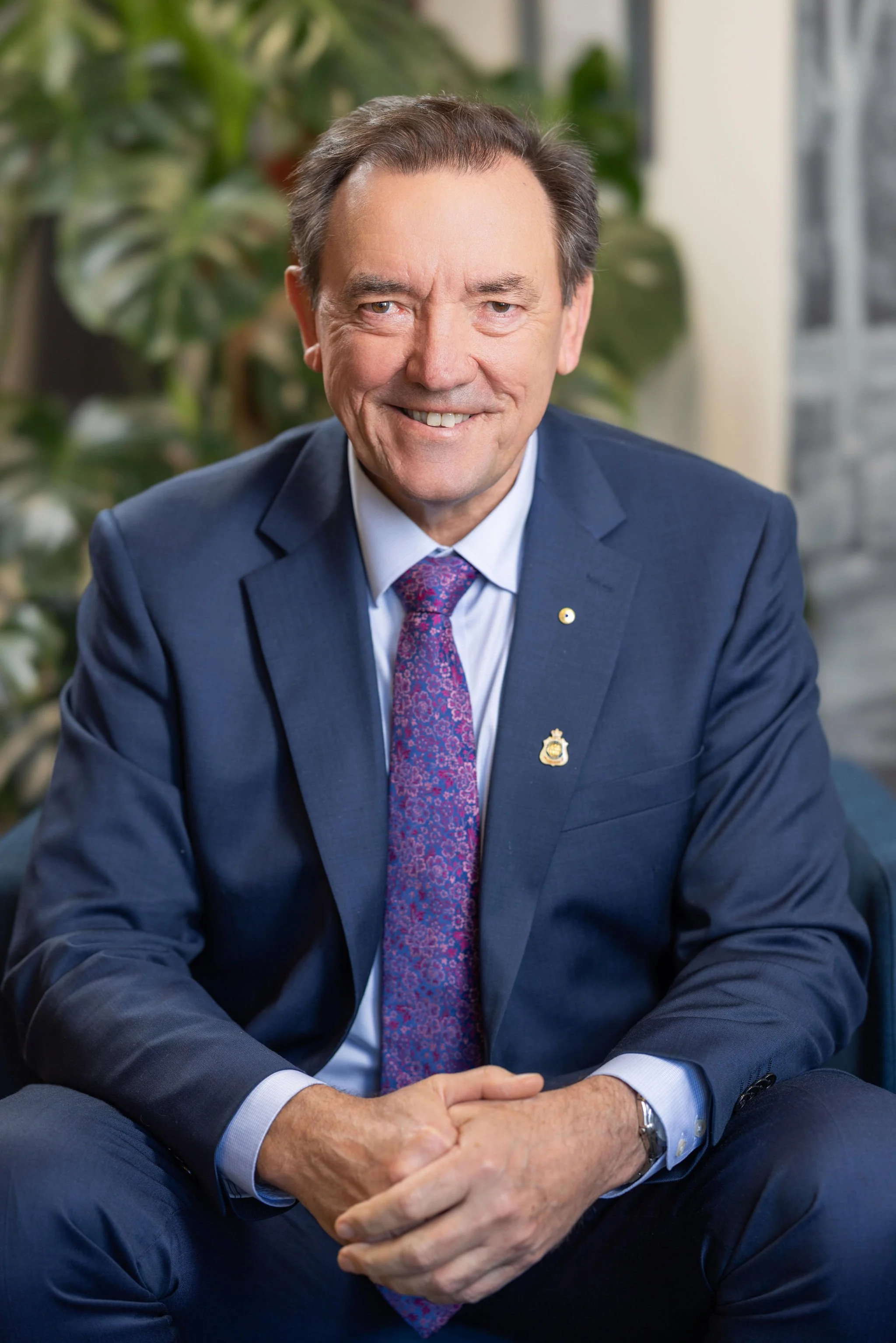
A Strong RSL for a Changing Nation
By Peter Tinley AM, National President, Returned & Services League of Australia
The RSL has been part of Australia’s social fabric for more than a century. It was built by veterans for veterans, an organisation forged from hardship, sacrifice and the powerful instinct of Australians to look after one another. But institutions do not survive on legacy alone. They survive because they adapt. They endure because they stay connected to the people and values that gave them life. And they thrive when they have the courage to evolve.
When I became National President in October last year, my vision for the RSL was clear: we honour our past by modernising our future. The needs of today’s veterans are more complex, more diverse and, in many respects, more urgent than those of previous generations. The RSL must reflect that reality with relevance, professionalism, compassion and clarity of purpose.
Every generation of veterans has faced its own challenges. The diggers who returned from the First and Second World Wars needed housing, employment and a voice in a society reshaped by conflict. The Vietnam generation sought recognition and proper care after years of being overlooked. Today’s veterans, whether from Afghanistan, Iraq, peacekeeping or humanitarian deployments, are navigating transition into civilian life, mental and physical health pressures and systems that are often too slow or too complex to meet them where they are.
The RSL must be a stabilising and supportive force in this landscape—a first port of call for advocacy, support and connection. And we must be a powerful and persuasive voice for reform wherever systems fail veterans and their families. My vision for the future rests on several pillars: stronger advocacy, modernised services, meaningful partnerships and a deeper connection with community.
For too long, veterans’ issues have been placed in the “too hard” basket. The Royal Commission into Defence and Veteran Suicide made painfully clear what many already knew: the system is failing too many people. In responding, the RSL must provide clear, coordinated and credible advocacy focused on outcomes. We need a streamlined claims process, better resourcing for veteran health services and a nationally consistent support framework. And we must continue to advocate for the families of veterans, who carry their own quiet burdens and deserve visibility and support.
The stereotype of the RSL as simply a club with a bar is long past its use-by date. Our core business is, and always has been, supporting veterans, but that support must meet contemporary expectations. We must invest in professional casework, expand mental health programs, strengthen peer support networks and grow partnerships with health providers, universities and employers.
Digital access is essential. Many younger veterans will not walk into a sub-branch, but they will reach out online. They must find an RSL that is responsive, credible and ready to support them wherever they live, whether in a regional community, a major city or remotely.
The RSL cannot and should not attempt to serve the veteran community in isolation. Australia’s veteran landscape is rich with ex-service organisations, Legacy, specialist mental health providers, homelessness services, transition programs, employment pathways and organisations dedicated to supporting partners and children.
A modern RSL embraces collaboration, not competition. Strong partnerships allow us to reach veterans we might otherwise miss and create a more coordinated, compassionate support system that reflects the diversity of modern military service. Families live through the consequences of service too, and a united sector is far better placed to support them.
The RSL must also challenge outdated assumptions about who veterans are. Veterans are not a broken welfare cohort, they are trained, security-cleared and disciplined contributors to national capability. Australia deployed more than 50,000 personnel between 1999 and 2021. These men and women carry two decades of operational knowledge about resilience, leadership, human performance and decision-making under pressure. They are a national asset.
While the RSL remains unashamedly focused on helping the most vulnerable, and at any given time this is only a small proportion of the 600,000 Australians with military service, we must also champion the overwhelming majority who continue to contribute strongly to their communities, workplaces and the nation’s sovereign capability. Veteran-owned businesses are thriving in defence supply chains. Veterans are leading teams, solving complex problems and strengthening national resilience long after they leave uniformed service.
A modern RSL must help the nation understand that veterans are not a cost, they are a multiplier. Our advocacy must reflect both realities: the urgent need to protect those who struggle, and the equally important need to highlight the immense value veterans bring to Australia.
Relevance also requires renewal. Some sub-branches are thriving, others struggling, many sit somewhere in between. The RSL cannot rely solely on the goodwill of a shrinking volunteer base. We need governance reform, financial sustainability, transparency and leadership that reflects the diversity of those we serve. We must rebuild trust where it has been lost, starting with listening. Veterans are not a monolithic group; their experiences, expectations and needs differ widely. Women now make up some 20 percent of the Australian Defence Force, with this expected to grow with their inclusion into combat roles, and in many ways, represent the changing nature of the general veteran cohort.
As President, I am committed to collaborative, evidence-based decision-making and genuine partnership across state branches, sub-branches and the wider ex-service community.
My military service taught me that leadership is not about rank; it is about responsibility. It is about ensuring the people you serve are respected, supported and given every opportunity to succeed. That philosophy will guide my work as President.
The RSL’s mission is as vital today as it was in 1916. Australians expect us to evolve—to become a contemporary, competent organisation that delivers real value to veterans and contributes meaningfully to national life. We honour our legacy by ensuring the RSL is strong for those who need it tomorrow. Veterans deserve an organisation that stands with them, advocates for them and never stops fighting for the recognition and care they earned.
That is the future we will build together.